
If you’ve ever poured hours into a slide deck—only to finish a webinar wondering why sales didn’t match the effort—you’re not alone. Many entrepreneurs assume that better visuals automatically mean better results. But what if the opposite is true?
What if removing slides entirely is the fastest way to build webinars that convert—like crazy?
This article breaks down how no-deck webinars work, why they outperform traditional formats, and how to use them inside a smart webinar funnel that drives real leads and sales.

Pop in your email below, and we’ll zip it straight to your inbox so you never lose it!
The Hidden Problem With Slide-Heavy Webinars
Slides feel safe. They give structure, reduce anxiety, and make a presentation look professional. But in many webinars, slides create distance instead of connection.
Here’s why:
A slide pulls attention away from the speaker
The audience reads instead of listening
The presenter follows the deck instead of the room
Instead of a conversation, the experience becomes one-way. And one-way presentations rarely sell.
In contrast, webinars are great at converting when they feel human, responsive, and focused on the buyer’s decision—not on perfect design.
Why No-Deck Webinars Convert Higher
Selling without slides isn’t about being casual. It’s about being intentional.
When you remove the slide deck, three things happen immediately:
1. Your Message Becomes Clearer
Without visuals to hide behind, you’re forced to simplify. Fewer ideas land more powerfully, and clarity improves conversion rates.
2. Trust Builds Faster
A conversational delivery positions you as a guide, not a presenter. That trust is a key metric in high-converting sales webinars.
3. Stories Replace Over-Teaching
Instead of cramming information, you share experience. Stories create belief, which is what drives people to buy the product.
This is especially powerful for an online business owner using webinars as a core revenue channel.
When a No-Deck Webinar Makes Sense
No-deck webinars work best when:
You’re an entrepreneur selling expertise, coaching, or services
You rely on using webinars to educate and convert
Your audience needs belief, not more information
They’re ideal for live webinars, launches, and even hybrid live events.
Slides may still help for technical demos—but for persuasion, simplicity wins.

Four Proven No-Deck Webinar Formats
You don’t “wing it” without slides. You choose a structure that replaces visuals with flow.
1. Story + Whiteboard Format
Use a simple visual sketch instead of slides. One framework, drawn live, beats 30 slides every time.
2. Live Audit Webinar
Review a real asset—page, funnel, or message. This delivers instant social proof through demonstration.
3. Choose-Your-Path Webinar
Let attendees vote on what comes next. This keeps the attendee involved and the session dynamic.
4. Interview-Style Webinar
A guided conversation that surfaces success stories, objections, and results naturally.
All four formats are high-converting when paired with the right offer.
Why Slides Actually Hurt Sales
Slides don’t kill sales directly. They encourage behaviors that do.
Over-teaching instead of decision guidance
Loss of emotional pacing
Reduced eye contact
Passive viewing
A no-deck approach keeps the whole presentation focused on momentum, not material.
The No-Deck Webinar Funnel (Simple, Not Fancy)
If you want results, treat your webinar like a conversion asset—not just a piece of content.
Here’s a simple and straightforward webinar funnel:
Registration page focused on one specific topic
A first email confirming the promise
A second email creating anticipation
The live webinar (no slides, story-led)
A clear call to action
A replay for follow-up
Emails to attendees reinforcing urgency
This approach helps people to register, stay engaged, and take action.
What to Say Instead of Showing Slides (Script Outline)
You don’t need visuals—you need sequencing.
0–5 minutes: Promise + relevance
5–15 minutes: Relatable failure story
15–30 minutes: Teaching via story
30–45 minutes: Proof + example
45–55 minutes: Address one key objection
55–60 minutes: Offer + next step
Finish with q&a and a clear path to get access.
This is how sales webinars stay packed with value without overwhelm.
Case Study Snapshot: Fewer Slides, Better Results
One client stripped out slides entirely and focused on story and structure. The result?
Higher engagement
Stronger trust
More people asking how to join before the pitch
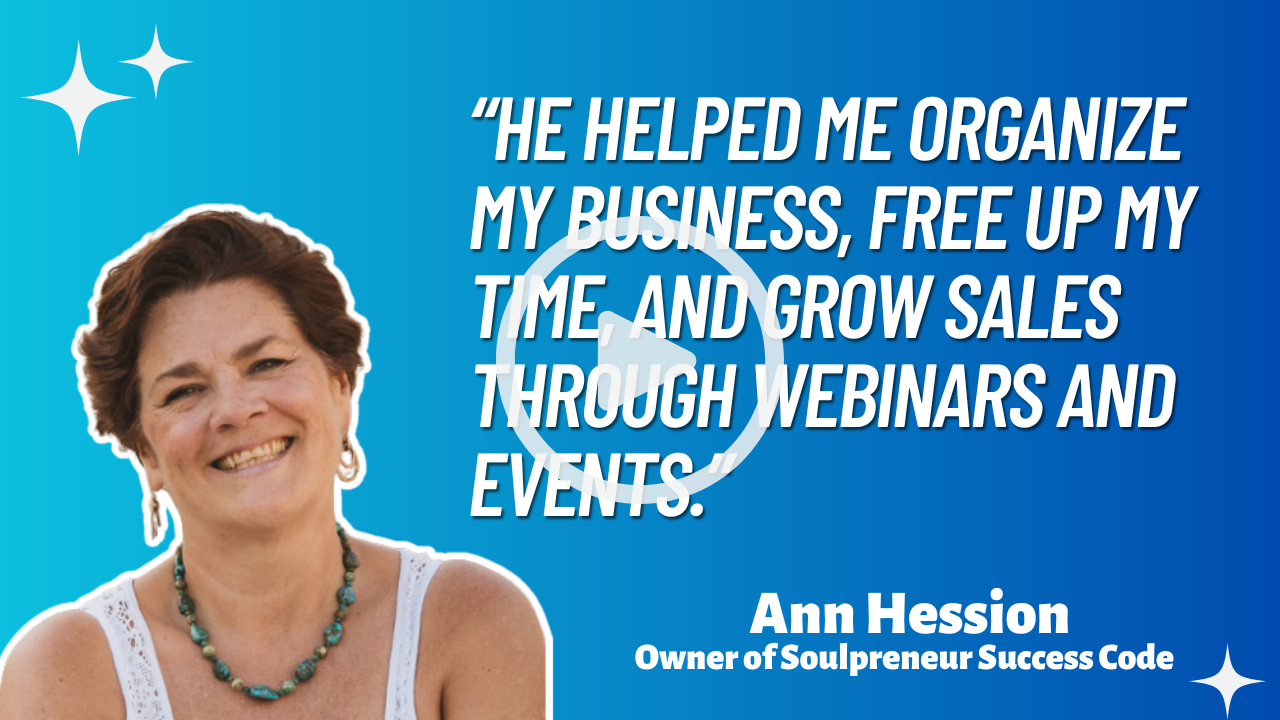
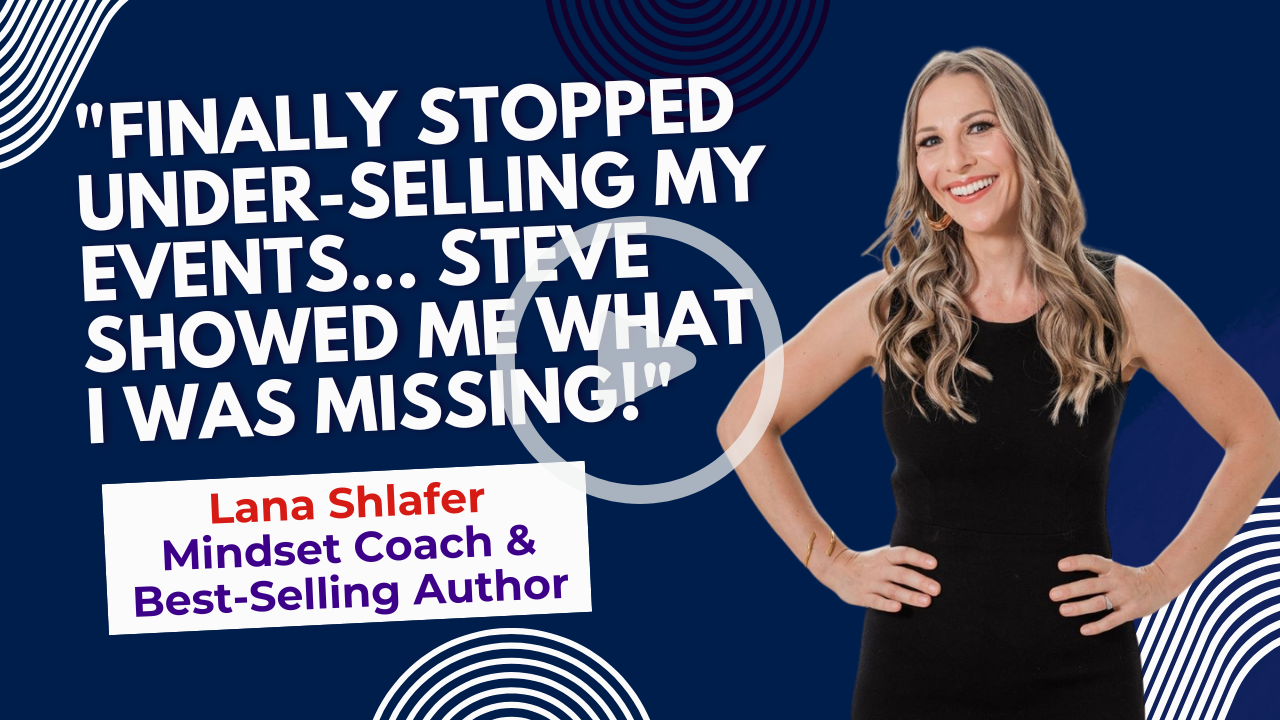
The testimonial confirmed what data already showed: clarity converts.
Common Objections to No-Deck Webinars
“I need slides to stay on track.”
A tight outline works better than a deck in minutes.
“It won’t feel professional.”
Confidence beats polish. Every time.
“My audience expects slides.”
What they expect is help.
How This Fits Into a Bigger Strategy
If you run webinars regularly, this approach compounds.
You can:
Promote via your email list
Share clips on LinkedIn (yes, people leave comments on LinkedIn)
Use paid ads to drive registrations
Repurpose the webinar as an on-demand asset
Each webinar becomes a piece of content that drives long-term leads and sales.
This is a no-brainer for anyone serious about making money online.
Final Thoughts: Simpler Webinars, Better Sales
You don’t need more slides.
You don’t need better design.
You need clearer thinking and stronger connection.
When you remove slides, you’re forced to:
Say what matters
Guide decisions
Help your audience move
So before you create your first webinar or try to make this offer convert better, ask yourself:
What would I say if I couldn’t hide behind slides?
That answer might 10x your results.
And if you want to learn how to build webinars that actually convert—start by removing the deck.