
If you’ve ever felt conflicted about using a psychological trigger in marketing, you’re not alone.
Most entrepreneurs and marketers want better conversion rates, but they don’t want to manipulate people or rely on shady marketing tactics. They want results and integrity.

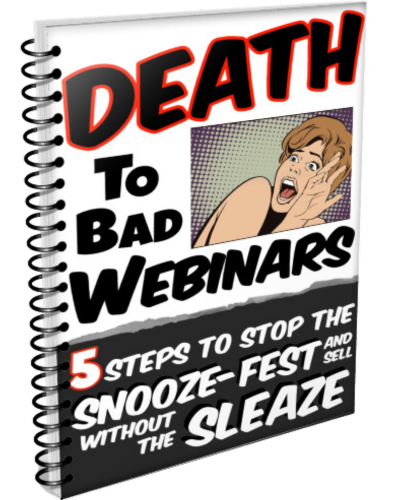
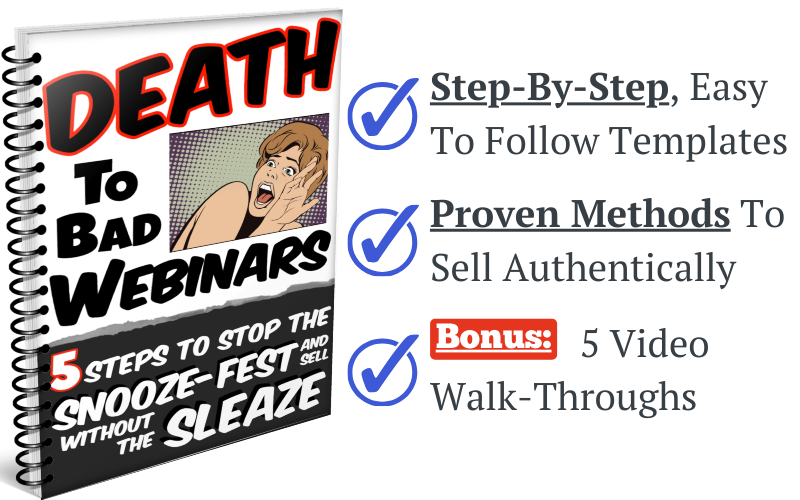
Pop in your email below, and we’ll zip it straight to your inbox so you never lose it!
Here’s the truth:
The most high-converting webinar, landing page, or sales funnel isn’t powered by tricks—it’s powered by human psychology.
When used responsibly, a trigger doesn’t override free will. It nudges people toward clarity. It helps them make confident buying decisions that align with their goals.
In this guide, you’ll learn five psychological triggers used by conversion experts to boost results ethically—across webinars, product pages, SaaS funnels, and content marketing.
These are proven psychological triggers, grounded in consumer psychology, not hype.
Why Psychological Triggers Matter More Than Content Alone
You can deliver incredible value and still struggle with conversion.
Why?
Because people don’t make purchasing decisions based on logic alone. They rely on mental shortcuts, emotional cues, and learned patterns of consumer behavior.
This is why understanding marketing psychology is essential for any modern marketer.
A powerful psychological trigger works because it aligns with how people already think. It respects human behavior, rather than trying to fight it.
Let’s break down the five powerful psychological triggers that consistently boost sales—without crossing ethical lines.

Trigger #1: Anchoring — Shaping Perceived Value
Anchoring is a foundational psychological principle. The first reference point someone sees strongly influences their perception of value.
This trigger shapes:
Perceived value
Price expectations
ROI calculations
Ethical Use of Anchoring
Saving your pitch for the very end often creates the biggest conversion problem.
For 45 minutes, you’re teaching.
Then suddenly… a sales slide appears.
That shift can:
Derail your presentation
Cause people to mentally check out
Make the call to action feel abrupt
Instead of waiting until the end, high-performing webinars seed the offer early.
This doesn’t mean selling the whole time.
It means normalizing the idea that:
Support matters
Structure matters
Execution matters
By the time you reach the CTAs, the audience is already primed.
Myth #3: “Great Slides Equal a Successful Webinar”
Ethical anchoring is about context, not deception.
Examples include:
Comparing your offer to realistic alternatives
Anchoring against the cost of the problem
Showing how time or inefficiency adds up financially
This works on a landing page, in a webinar, or even at checkout, because it helps people make comparisons fairly.
Anchoring is not a shortcut—it’s clarity.
Trigger #2: Identity Shift — Buying in Alignment With Self-Image
People buy to stay consistent with how they see themselves.
This psychological trigger taps into identity:
“I’m the kind of person who invests in systems.”
“I don’t wing it—I build processes.”
This isn’t manipulation. It’s alignment.
Ethical Identity Framing
Ethical identity shifts invite reflection, not pressure.
They reinforce the idea that people choose products because they match who they are becoming.
This trigger influences purchasing decisions by helping people take ownership of the outcome.
Trigger #3: Emotional Momentum — Guiding Action
Emotion plays a massive role in human psychology.
People rarely act when energy drops. That’s why many funnels lose momentum between the pitch and checkout process.
This trigger works by maintaining flow:
From problem awareness
To possibility
To decision
Stories, transitions, and pacing all boost conversion by keeping emotional momentum intact.
This is especially effective in a sales season or launch window, where hesitation can derail results.
Trigger #4: Open Loops — The Zeigarnik Effect
The Zeigarnik effect explains why unfinished ideas stay active in our minds.
Open loops:
Create focus
Prevent distraction
Keep attention until resolution
This trigger creates a sense of curiosity—not clickbait—when used ethically.
For example:
“We’ll revisit this mistake in a moment.”
“There’s one thing most people miss—we’ll cover it last.”
This works because it aligns with mental shortcuts in decision-making.
Trigger #5: Layered Commitment — Small Yeses Lead to Big Decisions
This trigger is rooted in psychology principles around consistency
When people make small, voluntary commitments, they’re more likely to follow through later.
This is why layered commitment:
Improves conversion
Builds trust gradually
Reduces resistance
It’s commonly used in SaaS onboarding, content marketing, and webinar funnels.
How Reciprocity, Scarcity, and Social Proof Support These Triggers
While the five core triggers do the heavy lifting, three supporting forces amplify results:
Reciprocity
The psychology of reciprocity explains why people feel inclined to give back when they receive genuine value.
Reciprocity works best when:
Value is freely given
No obligation is attached
Trust is built first
Scarcity
The power of scarcity activates loss aversion—the fear of losing an opportunity.
Ethical scarcity includes:
Limited-edition offers
Deadlines that matter
Honest inventory (“only X left in stock”)
Scarcity creates urgency without FOMO manipulation when used responsibly.
Social Proof
People look to others to validate decisions.
You can use social proof through:
A single testimonial
Case studies
Expert endorsements
Brand logo placement
Even subtle endorsement signals
This works because people trust experts and peers when uncertainty exists.
How These Triggers Influence Real Conversions
These triggers:
Increase clarity
Reduce friction
Improve confidence at checkout
They’re used across:
Landing pages
Product pages
SaaS trials
Webinar funnels
They work because they respect the idea that people want to make good decisions—not be pushed.
This is the difference between manipulative persuasion and persuasive guidance.
A Simple Playbook for Ethical Use
Here’s a quick playbook you can apply:
Use anchoring to clarify value
Reinforce identity before the CTA
Maintain emotional momentum
Use open loops strategically
Build commitment gradually
Test different versions of messaging to see what resonates—without changing your value proposition.
This approach doesn’t just boost sales.
It builds long-term customer loyalty.
Final Thoughts: Psychology Is Leadership, Not Manipulation
Understanding consumer psychology isn’t about exploiting fear.
It’s about removing confusion.
When you apply the right psychological approach:
You help people decide faster
You increase trust
You improve outcomes for everyone
That’s the real psychological power behind high-converting funnels.
Actionable insights, ethical triggers, and clarity-driven design will always outperform pressure tactics.
So ask yourself:
Which of these five psychological triggers could help your audience move forward with confidence?
That answer is where real growth begins.