
If you’ve ever hosted a webinar, you already know the heartbreak. You pick the perfect webinar topic, you refine your slide deck, you practice your delivery… and during the live webinar, your webinar attendees slowly drop off.
The chat starts strong.
People are excited.
Engagement looks good.
But somewhere around the 15–20 minute mark, the webinar engagement starts slipping.
Your attendee count dips.
The audience’s attention drifts.
And by the end of the webinar, only a fraction of people remain to see your offer.

Pop in your email below, and we’ll zip it straight to your inbox so you never lose it!
Here’s what most presenters never realize:
Your webinar isn’t losing people because the webinar content is weak.
It’s losing them because you’re not using engagement strategies that keep your audience engaged.
And one of the most powerful webinar engagement strategies—especially for experts, coaches, course creators, and marketers—is building open loops into your presentation.
Open loops are the secret behind binge-worthy shows, cliffhangers, and stories that stick. They’re also one of the most effective engagement strategies to keep attendees glued to the screen—no matter what webinar platform you use.
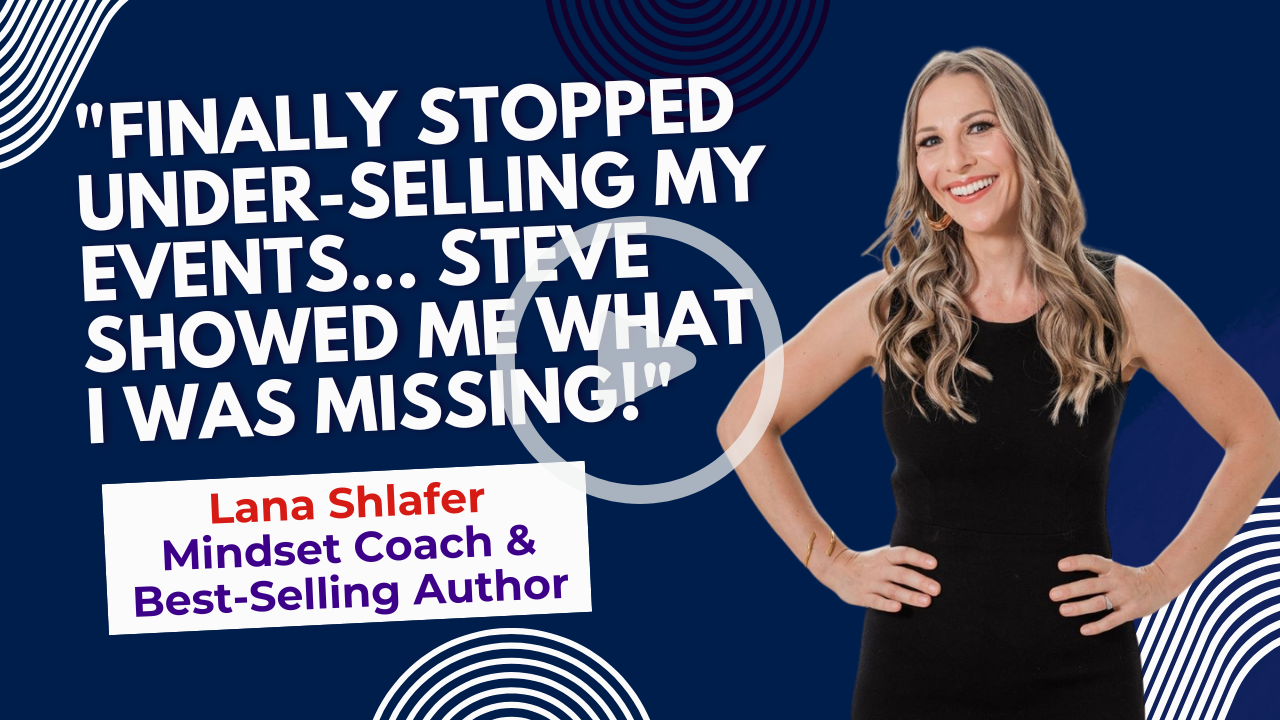
These seven strategies are the exact ones Steve used with one of his clients to transform her online event from “informative” to “I’m on the edge of my seat.” Her audience engagement skyrocketed. Her attendee retention grew. And her conversions increased—without changing the offer.
Let’s walk through the proven strategies you can use in your next virtual event or live webinar to keep audiences involved throughout the webinar and dramatically increase engagement.
What Open Loops Are (And Why They Increase Webinar Engagement)
Before we get tactical, let’s establish what open loops are and why they’re considered a webinar best practice for keeping audience attention high.
An open loop is an unresolved moment of curiosity—a story that’s not finished, a question that’s not answered, a promise that’s not fulfilled yet. The human brain automatically wants closure. This is the basis of the Zeigarnik effect, and it’s why:
TV shows use cliffhangers
TikTok creators split videos into parts
Smart marketers design webinars more engaging with curiosity gaps
Open loops are psychological engagement tools.
They help you:
Engage your audience early
Keep attendees active
Maintain attention throughout the webinar
Make your webinars feel immersive
Create interactive elements that feel natural
Boost retention across all webinar strategies
And unlike gimmicks, open loops work whether you’re running:
A virtual event
A live event
A live webinar
An automated webinar
A hybrid webinar or workshop
No matter your webinar platform, open loops help keep your audience engaged and eager to stay until the close.

1. The “Broken Fixes First” Loop
Most presenters begin a webinar by teaching the solution.
But if you reveal the answer too soon, you destroy curiosity.
Instead, start your webinar content by breaking down:
The common strategies your target audience has already tried
Why those strategies didn’t work
The costly mistakes they keep repeating
This instantly activates curiosity, positioning your method as the missing piece.
It motivates people to watch the webinar longer because they want to know:
“If everything I’ve tried doesn’t work… what WILL?”
This is one of the strongest engagement strategies to keep attention high in the first 10 minutes.
2. The “Unfinished Story” Loop
Stories are one of the most powerful forms of audience engagement during a webinar.
But here’s the twist:
Don’t finish the story right away.
Start a client story—get to the moment of tension—and pause.
Tell the audience:
“I’ll come back to what happened next once I show you the framework. It will make more sense then.”
This is storytelling psychology married with webinar engagement activities that keep attendees engaged.
When Steve’s client used this technique, she instantly saw comments like:
“I’m on the edge of my seat!”
“Please finish the story!”
This loop alone can make your attendees active participants instead of passive listeners.
3. The “Secret #3 Is the One Everyone Gets Wrong” Loop
Every good webinar has key points or pillars.
This strategy makes one of them a cliffhanger.
Tell attendees:
“We’re covering three shifts today. Shifts #1 and #2 are important… but shift #3 is the one almost everyone gets wrong—and it’s the reason most webinars don’t convert.”
You’ve now created anticipation.
Curiosity.
Tension.
And you strategically place the reveal near your offer because shift #3 becomes the bridge from teaching → selling.
This open loop keeps your audience focused even if their attention dips elsewhere during your slides.
4. The “Number You Don’t Want to See Yet” Loop
Numbers create emotional pull—especially in webinar marketing and lead generation.
Use this line early:
“There is one number in your funnel analytics that’s costing you thousands. In a minute, I’ll show you exactly how to calculate it.”
Now the audience is hooked.
They will stay to get the answer.
This is an engagement strategy that keeps people curious until the end.
You can add interactive features here with a:
Poll
Survey
Quiz
Many webinar platforms offer these tools, and integrating them is considered a top webinar best practice.
5. The “Future You” Loop
To truly captivate your audience, paint a picture of the transformation they want.
Say something like:
“Imagine hosting a webinar where 80% of attendees stay for the full hour and your chat is buzzing with participation…”
Then promise to reveal how to get there later.
This is identity-based engagement—one of the strongest engagement strategies to keep attention levels high.
When your audience sees themselves succeeding, they naturally lean in and keep attention high.
6. The “Q&A Later” Loop
Q&A sessions are powerful for audience participation, but answering every question immediately can derail your flow.
Instead, use the question as an open loop.
When an attendee asks a great question early:
“That’s a fantastic question. I’ll give a quick preview, but I want to answer it fully once you see the next part of the framework.”
You have now:
Acknowledged the participant
Built trust
Created an unresolved moment
Ensured they stay until the Q&A
Your moderator can help tag these questions, making your webinar host job easier.
This tactic is one of the best strategies to make a webinar more interactive and keep engagement flowing smoothly.
7. The “Replay Bonus Breakdown” Loop
A smart way to boost post-webinar engagement activities:
Tease a bonus available only in the replay or in the follow-up email sequence.
Example:
“On the replay page, I’ve included a bonus teardown where I review three real funnels and reveal the hidden gaps costing people thousands.”
This tactic works for:
Evergreen funnels
Live launches
Multi-day events
Hybrid webinars
It extends engagement beyond the live event and boosts conversions during the post-webinar period.
Case Study: How Open Loops Transform Webinar Engagement
One client came to us with a strong webinar—they taught great material, had an engaged audience, and received positive feedback—but they struggled to keep attendees long enough to reach the offer.
After restructuring the session using open loops, engagement rose dramatically. Attendees stayed longer, interacted more, and the client saw measurable improvements in retention and conversions.
The content didn’t change.
The structure did.
And that shift made all the difference.
Bonus: Two Plug-and-Play Open Loops for Your Next Webinar
These are copy-and-paste ready for your next event.
Plug-and-Play Loop #1: The Missing Piece Loop
Use this early to keep audiences curious:
“There is one part of your webinar that is silently killing your conversions—and the wild part? Most presenters think it’s the best part. I’ll show you exactly what it is in a few minutes.”
Plug-and-Play Loop #2: The Cliffhanger Client Loop
Use this to increase audience engagement and prime them for your offer:
“When Sarah joined our program, she had run five webinars with zero sales. In a second, I’ll show you the shift that changed everything—but first, let me show you the mistake she didn’t even know she was making.”
Conclusion: Open Loops Make Your Webinars More Engaging—Period
A successful webinar is not the one with the most teaching.
It’s the one that can keep attendees engaged long enough to experience the transformation you’re offering.
Open loops are:
Simple
Strategic
Psychology-backed
Easy to implement
Effective across all webinar platforms
They help you:
Engage attendees
Keep attention
Encourage audience participation
Connect with your audience
Improve webinar engagement
And lead them smoothly into your offer
The question now is:
Which one of these open loop strategies will you use first to make your webinar more engaging?