
If you’ve ever delivered a webinar, hosted a live event, or created a marketing presentation for your audience on Instagram, TikTok, or a webinar platform, you’ve likely asked yourself:
“Am I giving away too much… or not enough?”
You want to build trust. You want to position yourself as the expert. You want to scale your message and increase engagement. But when you lean too heavily into teaching, something unexpected happens:
They thank you. They say it was insightful. They even DM you to say it was amazing…
But they don’t convert.
This is the trap many coaches, consultants, B2B leaders, and even SaaS founders fall into: over-teaching content that kills your sales funnel instead of fueling it.
Let’s fix that with a simple framework that flips the script.

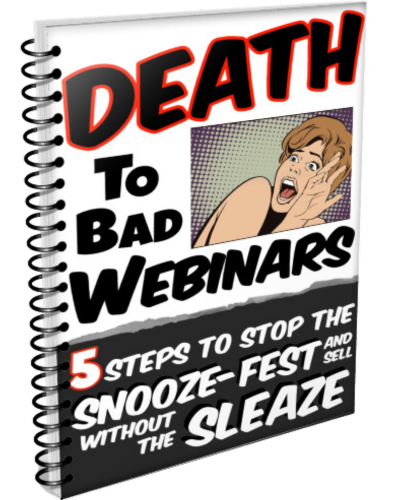
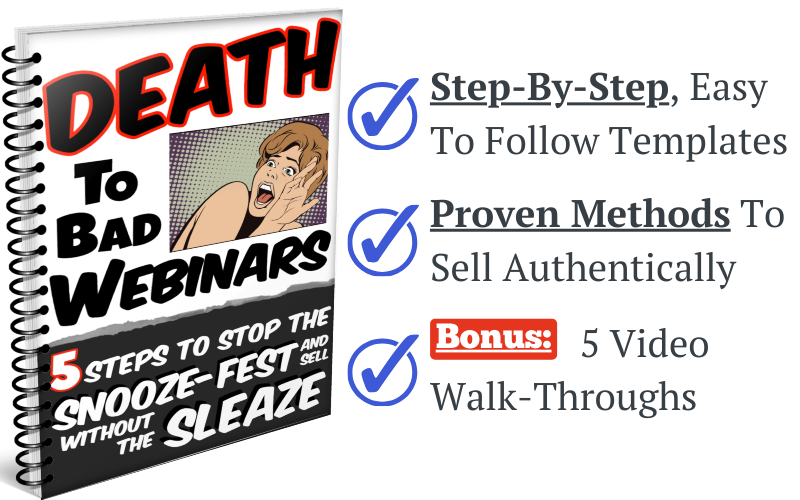
Pop in your email below, and we’ll zip it straight to your inbox so you never lose it!
Why Most Webinars and Events Don’t Convert (Even When They’re Good)
Even high-quality webinars with strong delivery often yield painfully low conversion numbers. Studies show that average conversion rates from webinars sit between 2–5%, and in some cases, it’s even lower.
Why is that?
Because most presenters focus on content volume, not sales strategy. They mistakenly believe that more teaching = more trust = more sales. In truth, more teaching often leads to information overload and stalls the pipeline.
You’ve just satisfied the prospect’s curiosity—and with that, you’ve unknowingly removed the reason for them to click your CTA.
Jenn, a high-performing entrepreneur, found herself stuck here. She was delivering polished webinars that received praise—but had no consistent customer success outcome. After applying Steve’s 3-layer content model, her conversions jumped to 14% and she finally built a sustainable, repeatable content plan that scales.
Introducing the 3-Layer Content Model
The 3-layer content model is a structured, storytelling-driven approach to webinar and event design that helps you give just enough value to create demand—without killing the need for the offer.
This marketing strategy is built around the psychological journey a buyer takes:
Credibility — Establish trust and thought leadership
Curiosity — Open loops and activate emotional triggers
Conversion — Lead them to the solution (your offer) as the obvious next step
This format works whether you’re pitching a high-ticket coaching program, a software demo, or a premium proposal.
Each layer stacks intentionally. And it works across channels—from webinars to outreach campaigns to AI-powered video funnels.
Let’s break it down.
Layer 1: Credibility — Establish Trust Without Over-Explaining
This is where you build authority and rapport. Before people buy from you, they must believe in your insights, delivery style, and relevance.
That means delivering foundational concepts—not deep execution. Leave room for the audience to uncover their blind spots.
What to include in Layer 1:
Your backstory (framed through your audience’s lens)
Quick social proof: stats, client quotes, logos
Clear articulation of their problem
A few punchy takeaways or AI-generated facts that spark intrigue
For example, another one of Steve’s clients had content-rich webinars that got applause—but not sales. Once she repositioned her story and message using Steve’s framework, conversions followed .
Emphasize your relevance—but don’t solve their problem here. That’s a cue to move into Layer 2.

Layer 2: Curiosity — Spark Desire Without Solving Everything
Layer 2 is where your audience gets emotionally involved.
Here, you create friction and suspense. You reveal just enough information to activate desire—but not enough to fully satisfy it. This layer is what makes them stay until the end.
Tactics that work:
Use open loops and “cliffhangers”
Ask deeper questions than you answer
Preview solutions, but delay the full reveal
Align this to current marketing trends or pain points (example: “using AI in your funnel may be the future, but not how you think…”)
Another one of Steve’s clients in the real estate space, a data-driven entrepreneur, switched from chaotic ad funnels to emotional event storytelling and tripled his conversion rate by optimizing this layer .
Layer 2 isn’t about dumping knowledge—it’s about shaping beliefs and holding attention through emotional storytelling and strategic insight.
Layer 3: Conversion — Frame the Offer as the Logical Next Step
Now comes the execution of your sales story.
If you’ve done the first two layers right, your offer won’t feel like a pitch—it’ll feel like a relief.
This layer bridges belief and action. Your prospect already knows they need help—they just need the clarity and confidence to say yes.
Key elements:
Reframe the pain with urgency
Introduce your differentiation (why your solution works better)
Overcome their #1 objection with a story
Tie emotional breakthroughs to the offer
Show real outcomes (testimonials, numbers, screenshots)
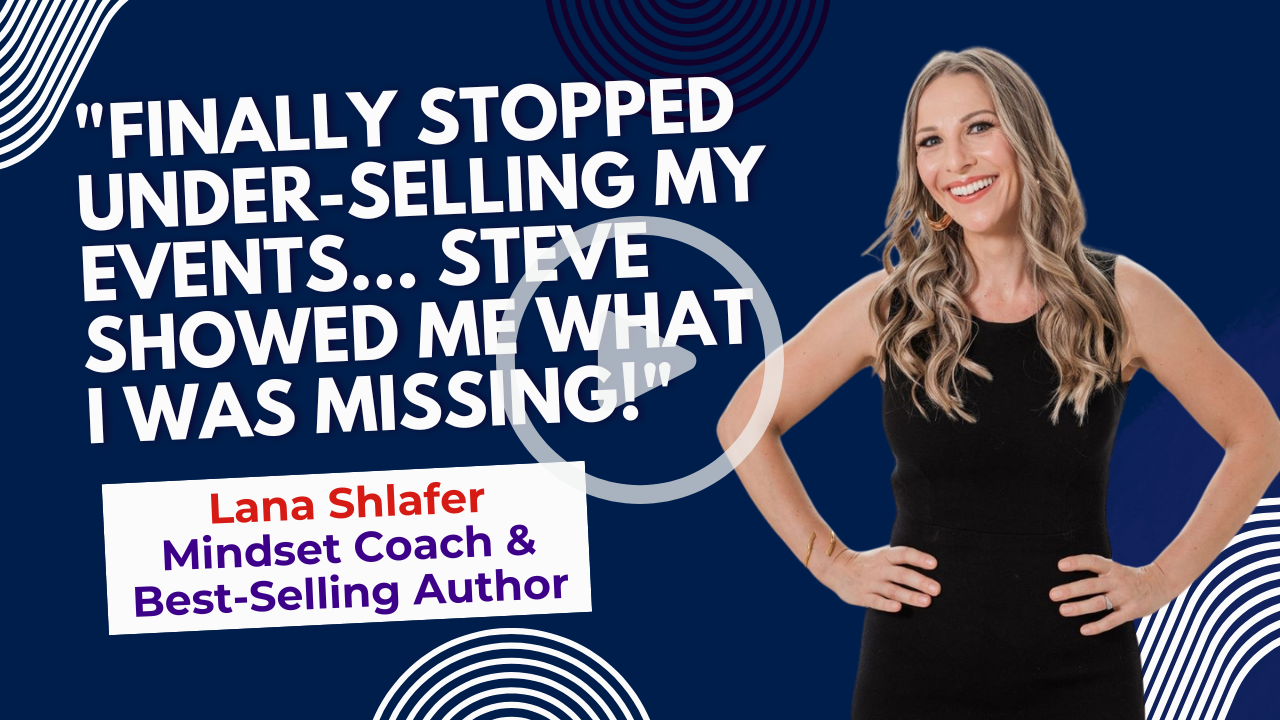
Lana, a coach with a fear of sounding “salesy,” restructured her event using these tactics and hit a 55% close rate, adding $20K+ in additional revenue .
Conversion doesn’t start with the CTA. It starts with shifting the buyer’s beliefs throughout the journey—and building loyalty by guiding them toward a solution.
Using This Framework to Structure Your Next Event or Webinar
Here’s a step-by-step breakdown of how to implement this model in your next launch, challenge, or sales webinar.
Layer 1: Credibility
Start with your origin story (keep it focused on the audience’s pain)
Use numbers or awards to build trust (but don’t flex too hard)
Mention known clients or collaborations, if applicable
Layer 2: Curiosity
Tease the core solution with just 20% of the full picture
Pose a powerful question your offer fully answers
Drop “lightbulb” insights that make them re-think what they know
Frame the pricing structure around a story of transformation
Layer 3: Conversion
Use case studies that mirror your audience’s identity
Include emotional quotes from past buyers
Lead the offer with a belief-shifting reframe
Drop a clear, emotionally driven CTA
Mistakes That Kill This Strategy
Even a powerful framework fails when misapplied. Avoid these:
Teaching too much too early: It breaks the suspense.
Jumping to price too fast: Without belief priming, pricing always feels high.
Neglecting followup: You need consistent messaging in your email, social, and retargeting ads to reinforce the story.
Ignoring the content plan: If you’re not aligning your content with your audience’s stage of awareness, you risk losing them before the pitch.
Case Study Results: Proof the Model Works
Jenn: Improved her close rate to 14% by fixing her flow and message structure
Client from real estate space: Added $4M in revenue through live events built on story and buyer psychology
Another client: Revamped her pitch using open loops and story stacking to keep people on the edge of their seats
Lana: Sold 5 out of 9 attendees into a high-ticket offer without feeling like a “salesperson”
These results didn’t happen from better slides or flashier intros—they happened through optimization of the content layers and belief priming.
Conclusion: Teach Strategically. Convert Authentically.
You don’t need to overhaul your entire offer or funnel.
You need to apply this 3-layer content model—the marketing strategy that lets you deliver value without over-solving.
When done correctly, this framework helps you:
Generate more qualified leads
Reduce friction between content and sale
Shorten your acquisition cycle
Improve retention and enablement
Translate complex offers into clear, compelling action steps
Maintain brand integrity while increasing your close rate
Because great content doesn’t just teach. It guides. It frames. It moves people to act.
Final CTA:
If you’re ready to restructure your next launch or webinar around the 3-Layer Model, Steve can help you engineer a high-converting experience—without making it feel like a pitch-fest.
Book your strategy call today.
Question for Readers:
Which layer do you feel most confident in—and which one do you know needs a rework?